
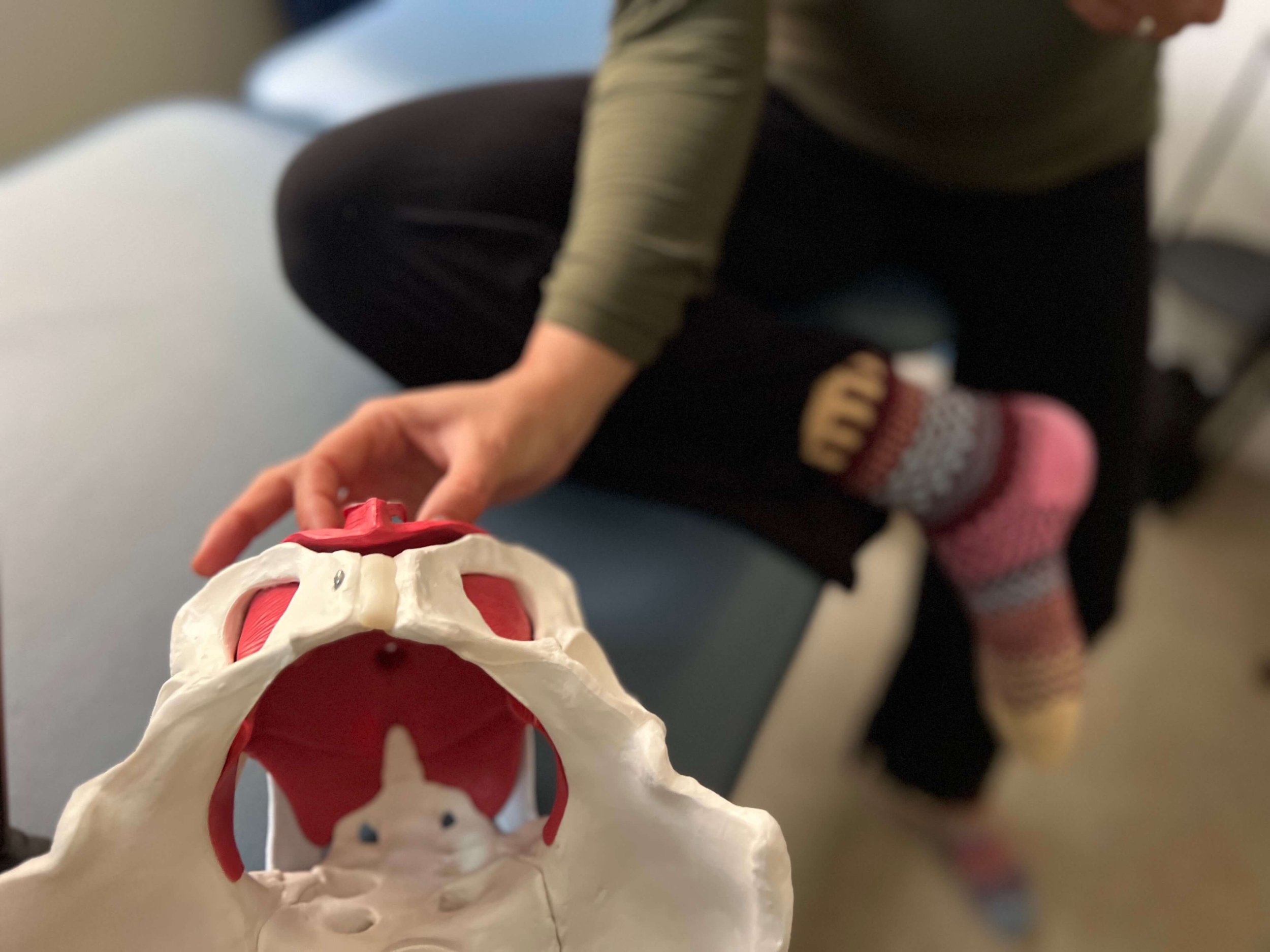
Effective Pelvic Pain Relief in Oakland, CA
Pelvic Floor Physical Therapy for Sharp, Stabbing, and Chronic Pelvic Pain
Work with a pelvic physical therapist to address tight pelvic floor symptoms, irritated nerves, and persistent pelvic pain.
We provide pelvic floor physical therapy for people experiencing stabbing pain in the vaginal area, sharp pelvic pain, clitoral pain, sit bone pain, tailbone pain from sitting, coccygeal pain, and male pelvic pain conditions including non-bacterial prostatitis, chronic epididymitis, and hard flaccid.

Rectal Pain, Pressure, and Stabbing Pelvic Pain
Rectal pain and pressure can be caused by referred pain from tense pelvic floor muscles, such as the puborectalis. It can also be related to irritation of the inferior rectal branch of the pudendal nerve.
If you are experiencing rectal pressure and you are not constipated, your pelvic floor muscles may be tight and the sensation may be perceived as pressure or deep pelvic pain.
You may benefit from consistent pelvic floor relaxation practices such as:
cyclic sighing
box breathing
any knee-to-chest stretches
These approaches may support your nervous system and may reduce stabbing pain in the pelvic area.
Sharp Pain in the Cervix, Pelvis, or During Penetration
If you have endometriosis, experience sharp pain in the cervix during penetrative sex, or notice associated rectal or sacral pain, the uterosacral ligament may be involved.
Pelvic floor physical therapy offers treatment for:
deep pelvic pain
sharp or stabbing pelvic symptoms
If you also experience bladder, cervical, and pubic bone symptoms, this may involve the ligaments connecting the cervix to the pubic bone.
If you do not have an IUD, you may benefit from gentle visceral fascial mobility to support the relationship between the uterus, sacrum, bowel, bladder, cervix, and pubic bone. Movement retraining is often recommended to improve carryover from manual therapy.
Many patients experience significant, lasting progress within 3 months of pelvic health physical therapy.
Sharp Stabbing Vulvar & Vaginal Pain
Pelvic Floor Therapy for Vulvar, Vestibular, and Clitoral Pain

For sharp pain in the vaginal area, vulvar pain, vestibular pain, or clitoral pain, we screen for dermatological, hormonal, and inflammatory contributors and refer out when appropriate.
Read our blog about sharp stabbing pain in vulva
The superficial pelvic floor muscles—including the bulbocavernosus, ischiocavernosus, and deep transverse perineum—are common contributors to sharp stabbing vulvar and vaginal pain.
Targeted pelvic floor relaxation practices that specifically support these muscles may be helpful.
Pelvic Muscle Spasms & Reflexive Guarding
Do you experience pelvic muscle “spasms,” sudden sharp pain, or unpredictable flares?
This can occur when muscles tense reflexively in response to pain or fear of pain. Pelvic floor physical therapy addresses both the muscle tension and the nervous system patterns contributing to symptoms.
We offer:
vulvodynia pelvic floor therapy
education for pain with sex

Painful Periods, Dysmenorrhea & Pelvic Pain During Menses
Limited mobility of the uterus can contribute to dysmenorrhea and increased menstrual cramping. The uterus needs to descend approximately 3 cm in preparation for menses. Tight surrounding muscles and fascia can restrict this movement.
The ligaments supporting the uterus must move freely to allow coordinated spine, hip, and abdominal movement during daily activities and exercise. When these ligaments are restricted or lengthened, pain can occur (Barral, 1993; Stone).
How Is This Treated?
Pelvic manual therapy and movement retraining can encourage soft tissue mobility and support your brain’s ability to move more freely around with with the uterus. Some patients benefit from visits during menses, when symptoms are most pronounced.
If symptoms are primarily neuromusculoskeletal, many people experience relief within 3 months with physical therapy and a personal home practice.
Endometriosis-Supportive Pelvic Physical Therapy

Pelvic PT does not directly cure conditions such as:
uterine fibroids
endometriosis
adenomyosis
pelvic inflammatory disease
interstitial cystitis
However, we can support you by addressing fascial restrictions, scar tissue, and chronic inflammation associated with these diagnoses.
We often help reduce associated symptoms such as:
low back, hip, or neck pain
urinary urgency
pain with penetrative sex
constipation
We are happy to collaborate with OBGYNs, urogynecologists, endocrinological gynecologists, acupuncturists, and mental health providers as part of an interdisciplinary care team.
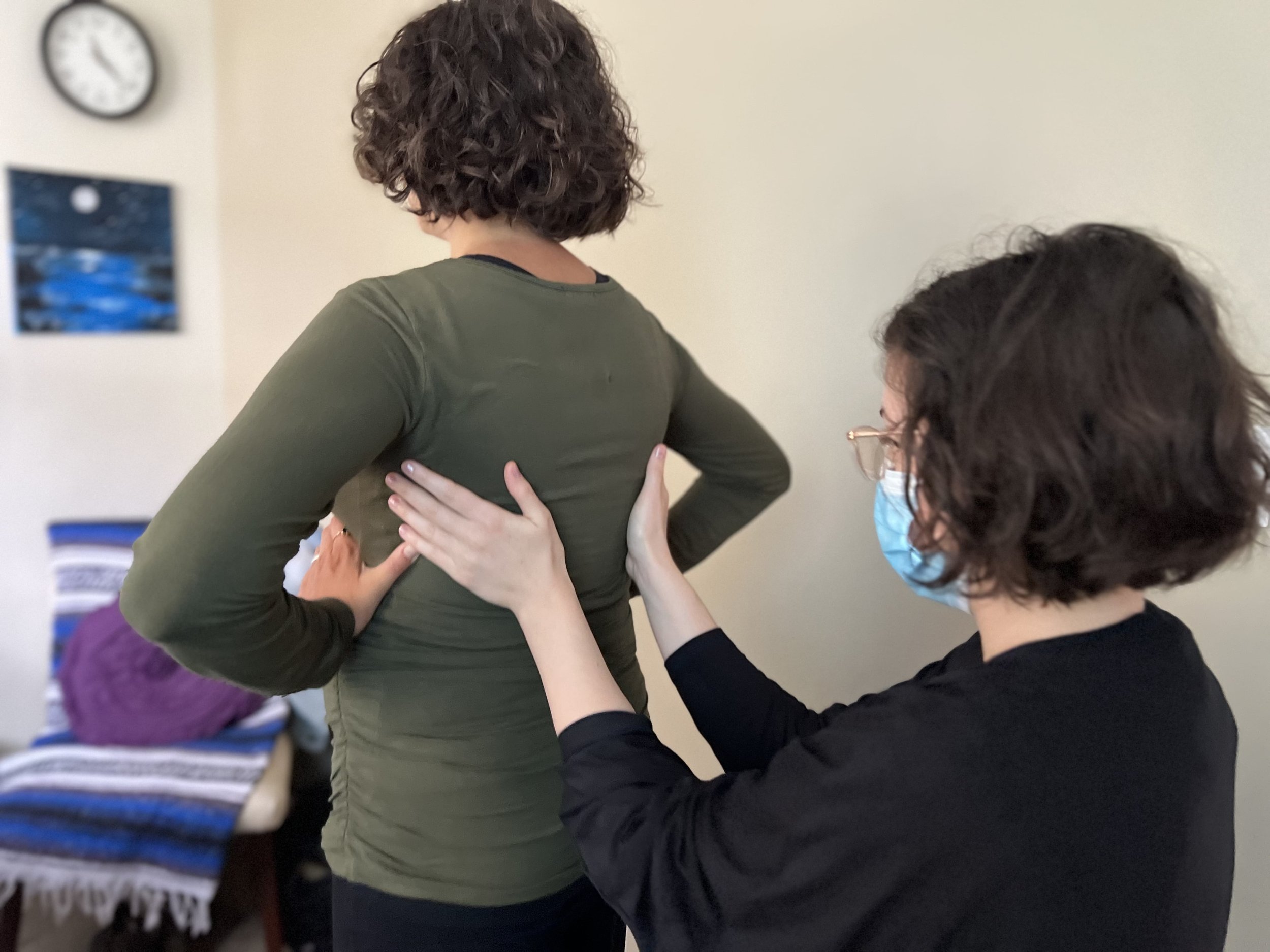
Pudendal Neuralgia & Pelvic Nerve Pain
Pelvic nerve pain often presents as burning, sharp, or stabbing pain along a recognizable anatomical pathway. Symptoms may flare hours later or the next day and can take time to settle—this does not mean the nerve is damaged.
If symptoms are related to tension, we may use nerve mobilizations such as pudendal neuralgia exercises.
If symptoms are related to compression, we assess which muscles and joints are restricting nerve movement and address them with pelvic floor physical therapy.
Round Ligament & Labial Pain
Labial pain during pregnancy can be caused by tightness at the round ligament.
Otherwise, the ilioinguinal and genitofemoral nerves travel through this region and must move freely.
When irritated, you may experience labial or groin pain.

Clitoral Pain Treatment & Nerve-Related Pelvic Pain
The pudendal nerve has branches that innervate the clitoris. If these branches are irritated, clitoral pain may occur. Superficial pelvic floor muscles may also contribute.
Depending on findings, treatment may include:
mobility training
pelvic floor relaxation
topical support (when appropriate)
Pelvic Floor Physical Therapy for Tailbone Pain

Tailbone Pain From Sitting & Coccygeal Pain
Tailbone pain from sitting and coccygeal pain are often related to postural habits, pelvic floor tension, and hip or spinal movement patterns.
If you have a history of falling on your tailbone, the pelvic floor muscles may remain recruited in a protective pattern.
The tailbone rarely responds to “manipulation” alone. Because it is primarily supported by the pelvic floor, coordination and relaxation of these muscles are essential for sustainable relief.
We also teach exercises to relieve tailbone pain that support long-term change.
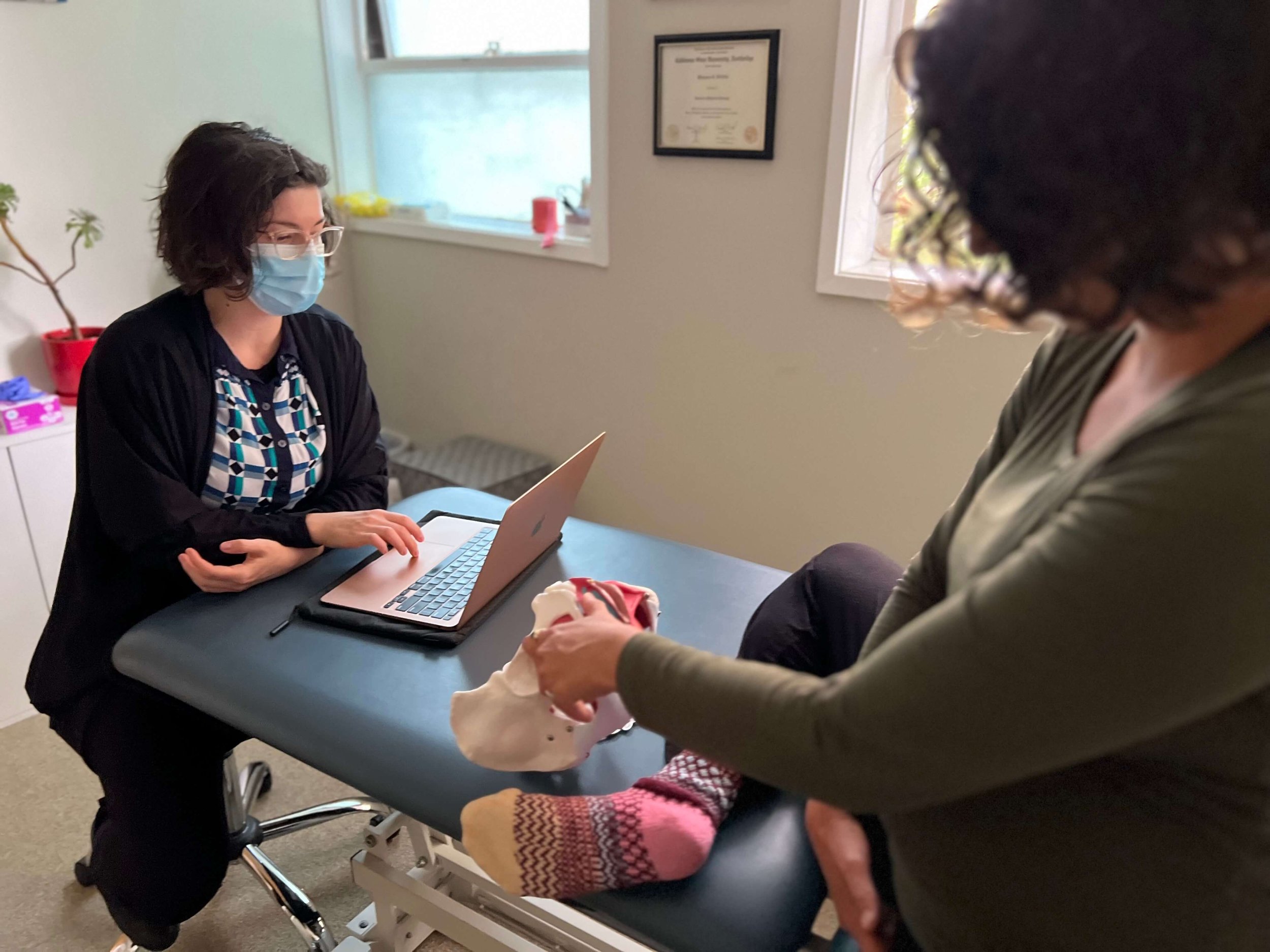
Sit Bone Pain & Deep Hip–Pelvic Tension
Sit bone pain may be caused by:
obturator internus tension
gluteal or hamstring tightness, bursitis, or tendinopathy
pelvic floor muscle guarding
nearby nerve irritation
Movement training and manual therapy can reduce tension and improve how muscles and nerves around the sit bone move with you.
Male Pelvic Floor Physical Therapy
Non-Bacterial Prostatitis, Chronic Epididymitis & Hard Flaccid
Persistent prostatitis symptoms that are non-bacterial are commonly linked to:
pelvic floor dysfunction
irritated pelvic nerves
tight hips and tense abdominal muscles
breath holding and postural habits
Pelvic floor physical therapy addresses these contributors and is commonly effective for chronic epididymitis and hard flaccid.
Trauma-Informed Pelvic Therapy & Somatic Movement
When the pelvic floor relaxes with breath support, your abdominal muscles have an opportunity to get stronger. This core support may ground your nervous system. If the mind does not immediately calm, attending to the body may reveal what is seeking support.
The autonomic nervous system has significant activity through the sacrum, pelvic ligaments, and endopelvic fascia. Gentle, trauma-informed manual therapy can support parasympathetic regulation and resourceful feedback to the brain.