
Bladder spasms, discomfort, and leaking urine
Do you feel a constant urge to pee, even after you’ve just gone?
Do you experience bladder spasms, dripping after urination, or a feeling of a full bladder all the time?
Do you leak urine when sneezing, coughing, laughing, or while running?
Have you been told you have interstitial cystitis or painful bladder syndrome? Are you dealing with clitoral pain alongside bladder symptoms?
These symptoms are common — and you can get relief.
Why do I feel like I have to pee all the time?
The bladder does not work alone. Your bladder function depends on healthy coordination between:
The pelvic floor muscles
The hips, spine, and posture-supporting muscles
The nervous system that regulates bladder urgency and suppression
When pelvic floor muscles are too tight, lack endurance, or cannot fully relax, several things can happen:
You may feel the urge to pee all the time, even with little urine present
You may struggle with urinary urge suppression
You may experience dripping after urination
You may leak urine during impact, like running, coughing, or sneezing
Tight pelvic floor muscles can pull on the urethra and irritate surrounding tissues, creating false bladder urgency or sensations that mimic a UTI — even when no infection is present.
When muscles are tense, blood flow decreases. Reduced blood flow irritates nerves, which can contribute to bladder discomfort, urethral irritation, and clitoral pain, especially in people diagnosed with interstitial cystitis or painful bladder syndrome.
Common bladder symptoms we treat
Feeling of a full bladder all the time
Strong urinary urgency and bladder spasms
Lack of bladder control
Urine leakage when running
Leaking while coughing, sneezing, or laughing
Dribbling, dripping, leaking urine after peeing
Waking up at night to pee
Burning after urination without infection
Related reading:
“What causes bladder pain without infection?”

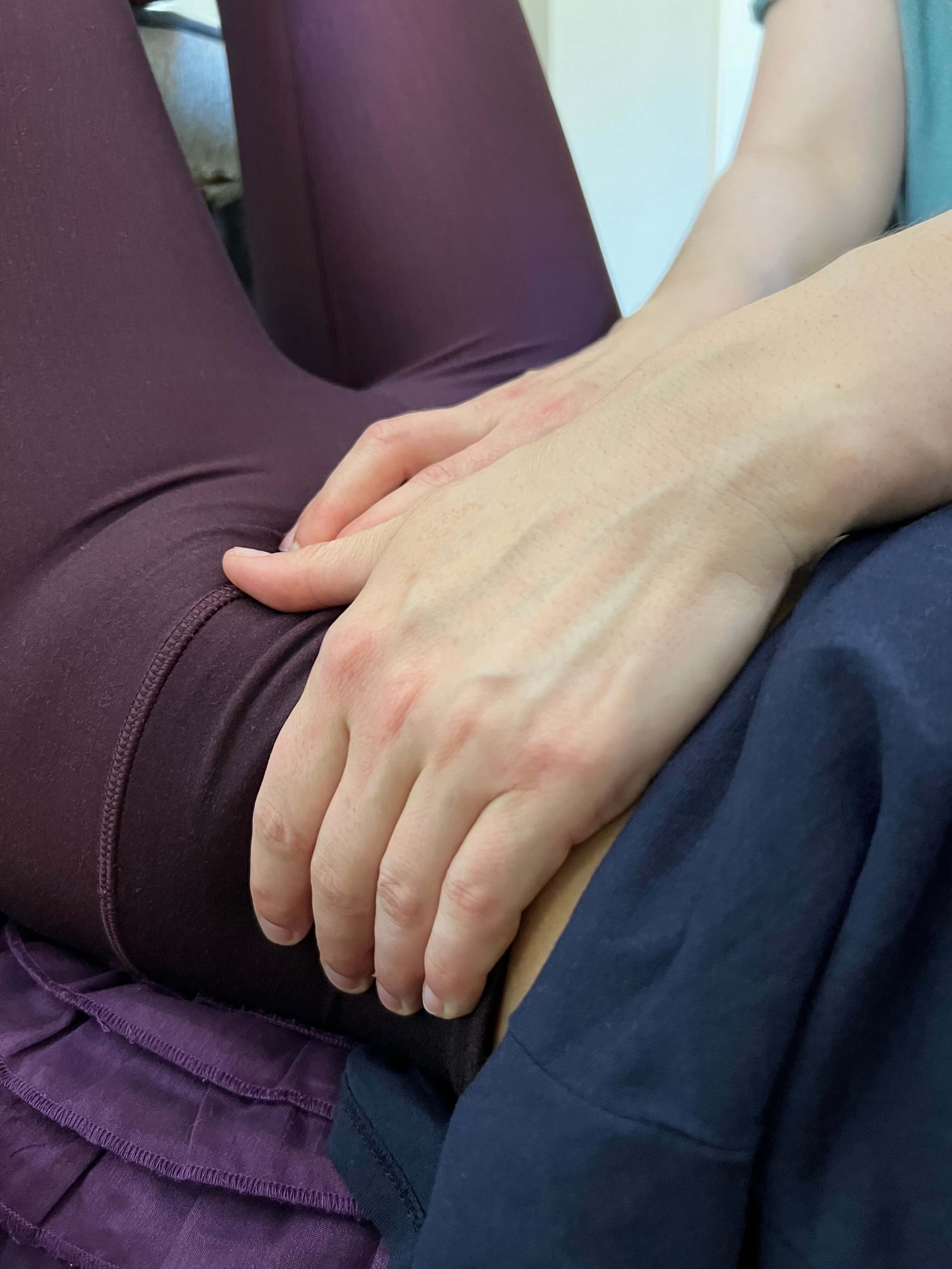

Work with a pelvic floor therapist.
-

Leaking urine does not mean you are weak
Urinary incontinence is the involuntary loss of urine. Any loss — whether it’s a full bladder leak or “just dribbles” — is considered incontinence.
You may leak:
During impact (running, jumping, sneezing)
While coughing or laughing
When rushing to the bathroom because the urge is so strong
If you are pregnant or postpartum and leaking urine, this is especially important to address early, as it increases your risk of ongoing bladder control issues later in life.
-

Go beyond "kegels"
Healthy pelvic floor muscles are very supportive.
They have power, endurance, coordination with breath and movement — and the ability to fully relax and stretch.Many people with bladder symptoms may have overactive or tense pelvic floor muscles, and doing more kegels alone can worsen urgency, leaking, or bladder pain.
Working with a pelvic floor therapist allows you to:
Improve bladder control without over-tightening
Learn effective urinary urge suppression strategies
Reduce leaking while running or coughing
Restore confidence in your bladder function

Pelvic floor therapy for bladder discomfort
With consent and when indicated, pelvic floor physical therapists can provide internal pelvic support using skilled, trauma-informed touch. This work is different from a gynecologic exam or medical procedure approach.
We offer embodied touch and movement training to support:
Strength without tension
Nervous system regulation
Relief, dignity, and empowerment
Many clients report meaningful symptom relief — and pelvic education they wish they had learned much earlier — starting from the first visit.
Are you leaking urine or feeling bladder discomfort?
You don’t have to live with it.
Work with a pelvic floor therapist in Oakland, CA
Book your appointment today!