
What Causes Sharp Stabbing Pain in the Vulva (Vulvodynia)?
Authored by the Bodyful Physical Therapy and Wellness team.
Pelvic Floor Therapy for Vulvodynia and Vaginal Pain
Pelvic floor therapy can help many different issues. One major issue it addresses is pelvic pain and vulvodynia.
If you experience sharp, stabbing pain in your vulva, you may be diagnosed with vulvodynia. Vulvodynia is a type of pelvic pain that often occurs at the vulva (the opening of the vagina). Symptoms may also include the clitoris.
Some people describe this pain as:
Sharp pain in the vaginal area
Stabbing or burning sensations
Tenderness or irritation without visible cause
Vulvodynia and Vestibulodynia: What’s the Difference?
You may have also heard of vestibulodynia. While symptoms can overlap, the causes and treatment approaches may differ.
Vestibulodynia refers to pain at the vestibule, the smooth transitional tissue between the labia minora and the vaginal opening. This area includes the urethra and is particularly sensitive to changes in blood flow, hormones, and muscle tension.
You may experience symptoms:
During or after sitting, standing, or exercise
With tight-fitting clothing
With skin sensitivity or irritation
These symptoms can become a barrier to pleasurable penetration. Sex should not be painful—unless you want it to be.
What Does Vulvodynia Feel Like?
Vulvodynia may feel like:
Burning or rawness
Stabbing pain in the vaginal area
Sharp pain with penetration
Discomfort without any touch at all
Some people are diagnosed with vestibulodynia when pain is localized to the vestibule. This distinction matters because vestibular tissue is maintained by appropriate estrogen and testosterone levels.
If blood flow is limited—or hormones are not reaching the tissue—irritation and pain can occur. Tight, stressed pelvic floor muscles can decrease blood flow, contributing to these symptoms.
Hormones, Birth Control, and Vulvar Pain
If you are on oral contraceptive pills (OCPs), this may be relevant. OCPs can lower estrogen and testosterone levels and have been linked to pelvic pain in some individuals.
Similarly, people who are:
Perimenopausal
Postmenopausal
Recently postpartum or lactating
may experience lower hormonal support to vulvar tissues. In some cases, vulvar moisturizers or topical hormones may be appropriate, in collaboration with a medical provider.
When Vulvodynia Is Neurophysiologically–Mediated
If vulvodynia or vestibulodynia is not hormonally mediated, it may be neuroproliferative. This means the nervous system has learned to become more alert and sensitive in this area over time, often in response to real or perceived threat.
One common contributor is a history of chronic infection. If you have experienced repeated UTIs, yeast infections, bacterial vaginosis, or STIs, it is possible that the infection has resolved but the pain remains.
You may experience multiple symptoms that fluctuate. The pelvis contains many nerves that continuously gather and interpret sensory information.
Sharp or Stabbing Vaginal Pain and the Pelvic Floor
If you experience sharp, stabbing pain in your vulva, the source may be muscular.
Tight or overactive pelvic floor muscles can create pain patterns similar to how neck tension can cause headaches. Pelvic floor muscle tension can compress or irritate pelvic nerves, leading to:
Sharp pain in the vaginal area
Stabbing sensations
Burning or fluctuating nerve pain
Postural habits, breathing patterns, and repetitive strain can all contribute.
Pelvic floor therapy for vulvodynia can help.
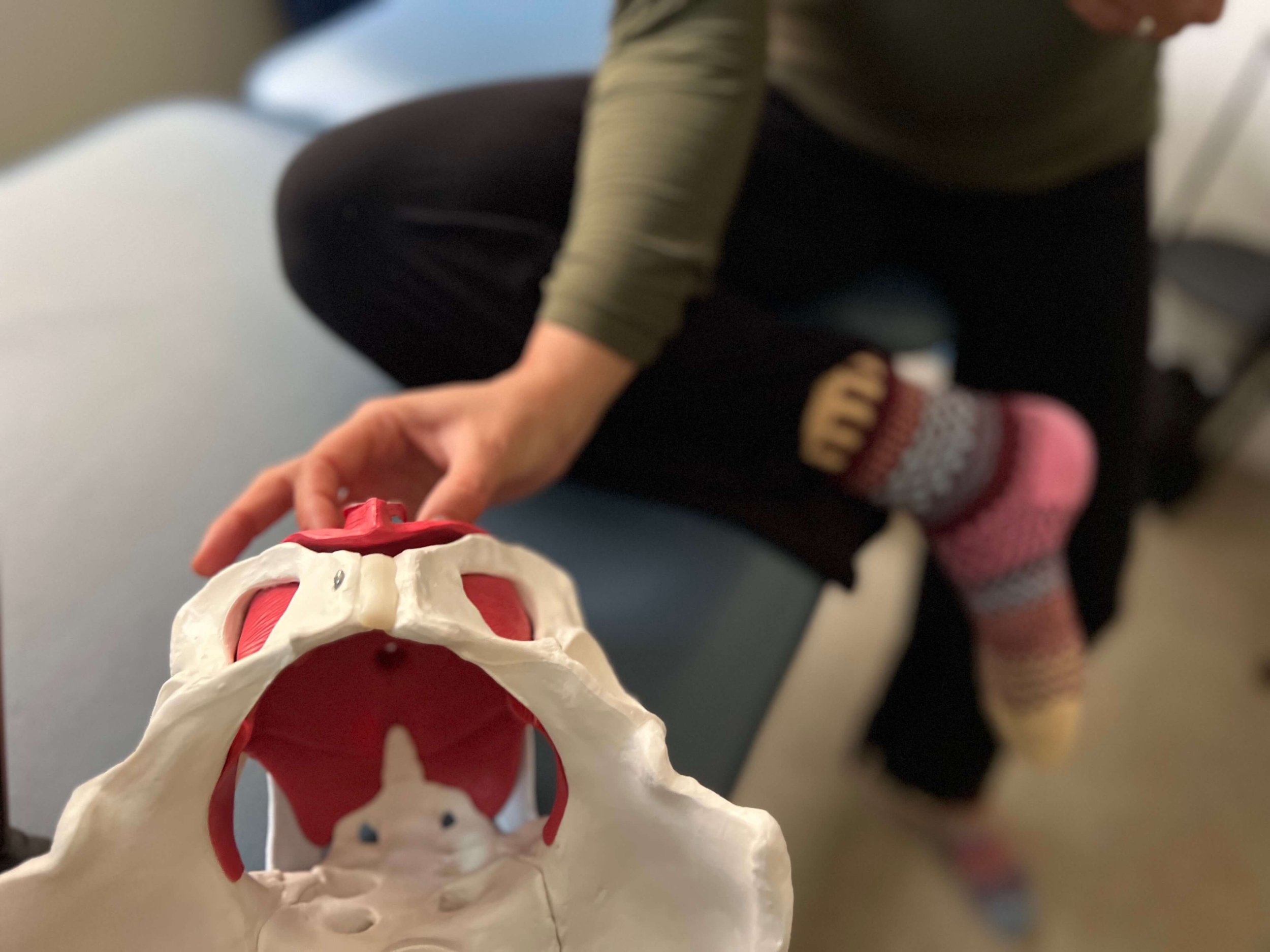
Pelvic Floor Therapy for Vulvodynia
A pelvic floor therapist may be trained as a pelvic pain specialist and can help guide diagnosis and treatment planning.
Your body is intelligent and protective. When tissues experience repeated threat or irritation, the nervous system may increase sensitivity by growing more pain-responsive nerve fibers. Over time, even after the original threat has resolved, the body may continue to express pain.
This is not imagined pain. It is learned protection.
Somatic Movement Therapy and Vulvodynia Physical Therapy Exercises
This is where a somatic movement approach to pelvic floor therapy can be especially helpful.
Somatic movement therapy supports your return to your whole self. If your body is still bracing from pain memory, vulvodynia physical therapy exercises can help disengage habitual movement patterns that contribute to tension, compression, and decreased blood flow.
When safety is experienced—rather than forced—tissue holding and pain patterns can begin to change.
With repeated, supported experiences of ease, your nervous system can learn new options.
What to Expect in Pelvic Floor Therapy
In pelvic floor therapy for vulvodynia, your therapist may offer:
Gentle, trauma-sensitive manual therapy
Somatic movement guidance
Individualized corrective exercises
Breathwork and posture support
Hip and core coordination strategies
Your therapist will help you explore what supports your pelvic floor—rather than forcing it to behave differently.
Questions about:
Dilator use for vulvodynia
Whether to do Kegels
Hygiene or lifestyle considerations
are all appropriate. These decisions should be individualized.
You can learn more about our pelvic floor therapy services for vulvodynia here, including somatic and trauma-sensitive care.
Your Story Matters
Your body has a unique story. It deserves safety, competent care, evidence-based practice, and enough time to gently peel back the layers of why this pain pattern exists.
Your story matters.
Your beliefs are relevant.
Your body–mind connection can support healing.
If you are curious about somatic approaches to pelvic floor therapy for vulvodynia, you can book a visit with us here.
Bodyful Physical Therapy and Wellness is located in Oakland, CA, serving the greater Bay Area.